
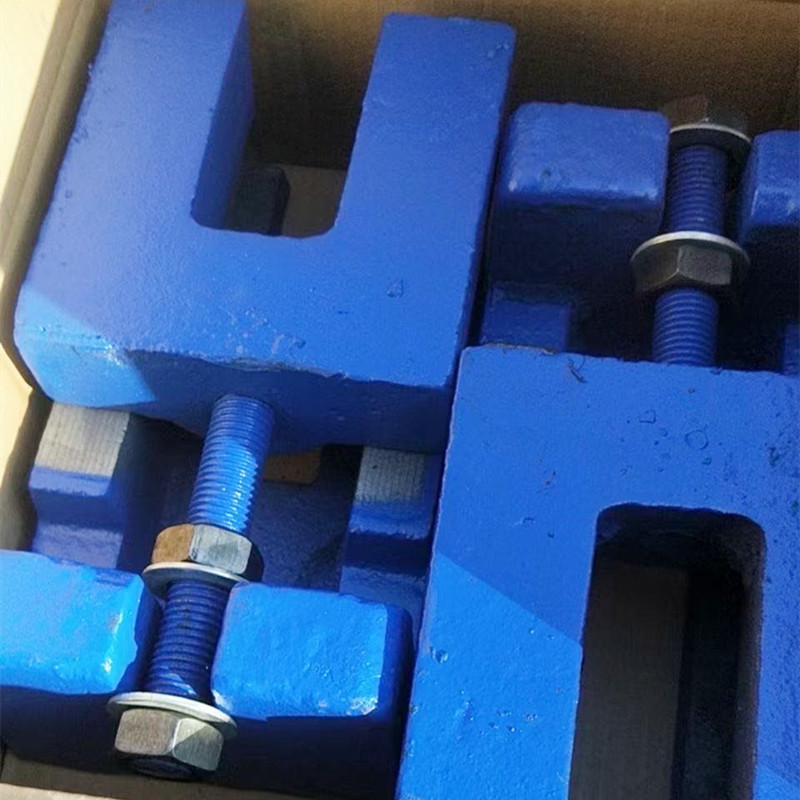
smart led bathroom mirror
Understanding Metric Ring Gages Precision Tools for Quality Control Metric ring gages are essential tools used in quality control processes to ensure that manufactured parts meet specific dimensional tolerances. These gages are designed to measure the internal or external diameters of cylindrical objects, providing a reliable way to verify accuracy during production. By offering a standardized method for checking dimensions, metric ring gages play a crucial role in various industries, including automotive, aerospace, and manufacturing. A typical metric ring gage is characterized by its precise internal or external measurement capability, expressed in millimeters. The gages are often categorized as go/no-go gages, which means they come in pairs one to confirm that the part fits within tolerance (the go gage) and another to detect any deviation beyond acceptable limits (the no-go gage). This binary functionality allows manufacturers to quickly ascertain whether a part meets specifications without the need for complex measurement tools. One of the primary advantages of using metric ring gages is their simplicity and effectiveness. Operators can easily use these gages without requiring extensive training . When a part is tested with a go gage, it should fit snugly; failure to enter the gage means the part is either too large or out of tolerance. Conversely, the no-go gage should not fit, confirming that the part does not exceed the maximum allowable dimensions. metric ring gages Durability is another key feature of metric ring gages. Typically made from high-quality materials, such as hardened steel, they are designed to withstand the rigors of industrial environments while maintaining their precision. Many manufacturers also employ calibration procedures to ensure that the gages provide accurate measurements consistently over time. In addition to their role in quality control, metric ring gages also facilitate communication along the production line. By establishing a common standard for measurement, they help team members, engineers, and quality assurance personnel to better understand and discuss dimensional requirements without ambiguity. This standardization is particularly critical in global markets, where components are often manufactured and assembled across various countries. In conclusion, metric ring gages are invaluable tools in the manufacturing industry, ensuring parts meet stringent specifications and enhancing overall quality control. Their ease of use, durability, and effectiveness in measuring dimensions make them indispensable for achieving precision in production processes. As industries continue to demand higher quality standards, the importance of ring gages will remain a fundamental aspect of successful manufacturing practices.
about
smart led bathroom mirror
How to Replace a Water Valve A Step-by-Step Guide Water valves are essential components of your plumbing system, controlling the flow of water to various areas of your home. Over time, these valves can wear out, leading to leaks or reduced water pressure. Replacing a water valve may seem daunting, but with the right tools and a bit of knowledge, you can easily do it yourself. This guide will walk you through the steps to replace a water valve safely and efficiently. Tools and Materials Needed Before starting, gather the necessary tools and materials - New water valve (ensure it matches the size and type of your existing valve) - Adjustable wrench or pliers - Pipe wrench (if necessary) - Pipe cutter or hacksaw (if you need to cut the pipe) - Plumber's tape (Teflon tape) - Bucket or towel (to catch any water that may spill) - Safety goggles - Gloves Step 1 Turn Off the Water Supply The first and most crucial step is to turn off the water supply to the valve you intend to replace. Locate the main water shut-off valve for your home, typically found near where the water line enters the house. Turn it clockwise to close it, and open a faucet or two to relieve any remaining pressure in the pipes. Step 2 Drain the System Next, you should drain the water from the pipes to prevent any spills during the valve replacement. Open faucets in the vicinity of the valve you are replacing, including any nearby sinks or tubs. If the valve is in a location where there is considerable water, place a bucket under the valve to catch any dripping water. Step 3 Remove the Old Valve Using an adjustable wrench or pliers, grip the old valve and start loosening it from the pipe. Depending on how it was installed, you may require a pipe wrench for additional leverage. Be cautious and ensure that you are turning the valve in the correct direction (left to loosen). If the valve is stuck, consider applying a penetrating oil and waiting a few minutes before trying again. how to replace water valve Once the valve is loose, carefully remove it from the pipe. If the valve is soldered onto the pipe, you might need a pipe cutter or hacksaw to cut the pipe and remove the valve. Make sure to wear safety goggles and gloves during this process to protect yourself. Step 4 Prepare for the New Valve With the old valve removed, inspect the pipe for any damage or corrosion. If the pipe threads are damaged, you may need to clean them or use a thread repair kit. Wrap plumber's tape around the threads of the pipe to ensure a watertight seal when you install the new valve. Step 5 Install the New Valve Position the new valve onto the pipe and start threading it on gently. Ensure you are aligning it properly to avoid cross-threading, which can cause leaks. Use your adjustable wrench to tighten the valve securely, but be careful not to overtighten, as this can damage the valve or the pipe. Step 6 Turn the Water Supply Back On With the new valve installed, it’s time to restore the water supply. Go back to the main shut-off valve and turn it counterclockwise to open it. Then, check the newly installed valve for leaks by observing any water movement. Open faucets in your home to allow air to escape and create a proper flow in the plumbing system. Step 7 Check for Leaks and Final Adjustments Once the water supply is on, inspect the area around the new valve for any signs of leaking. If you notice any drips, it may be necessary to tighten the valve slightly or reapply plumber's tape to ensure a secure seal. Conclusion Replacing a water valve may seem intimidating, but it's a manageable DIY project that can save you time and money in plumbing repairs. By following these steps and taking the necessary precautions, you can ensure your water system operates efficiently and without leaks. If you encounter any complications or feel uncertain at any point, don't hesitate to call a professional plumber for assistance. Remember, safety first!
-

High quality industrial productsagement

High quality industrial products
View Details -

Meet the diverse needs of customers

Meet the diverse needs of customers
View Details -

Strict quality control

Strict quality control
View Details -

Top raw materials

Top raw materials
View Details -

Trusted supplier

Trusted supplier
View Details
Our application


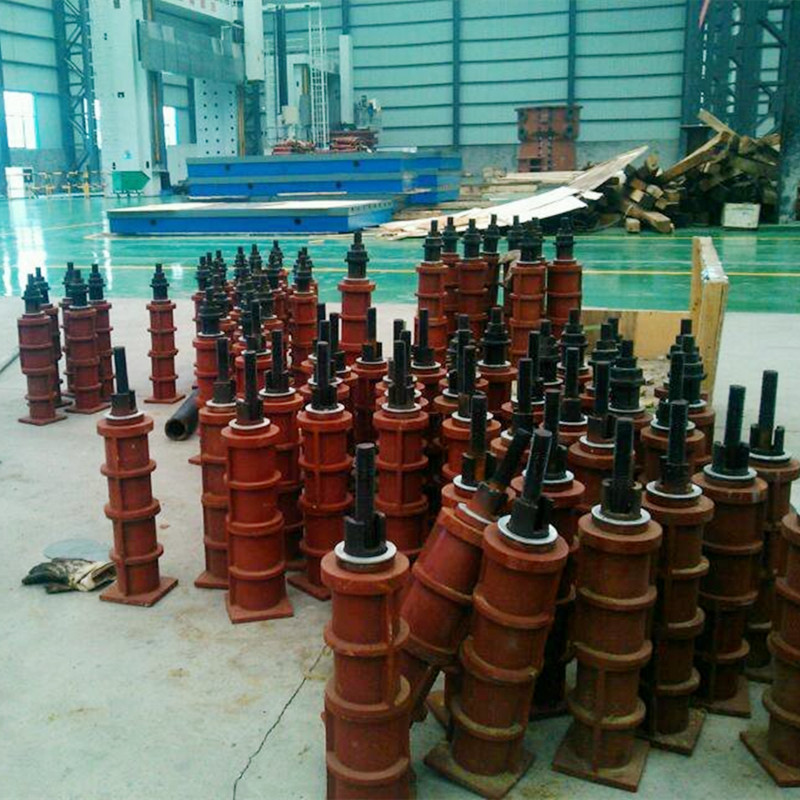
news and information
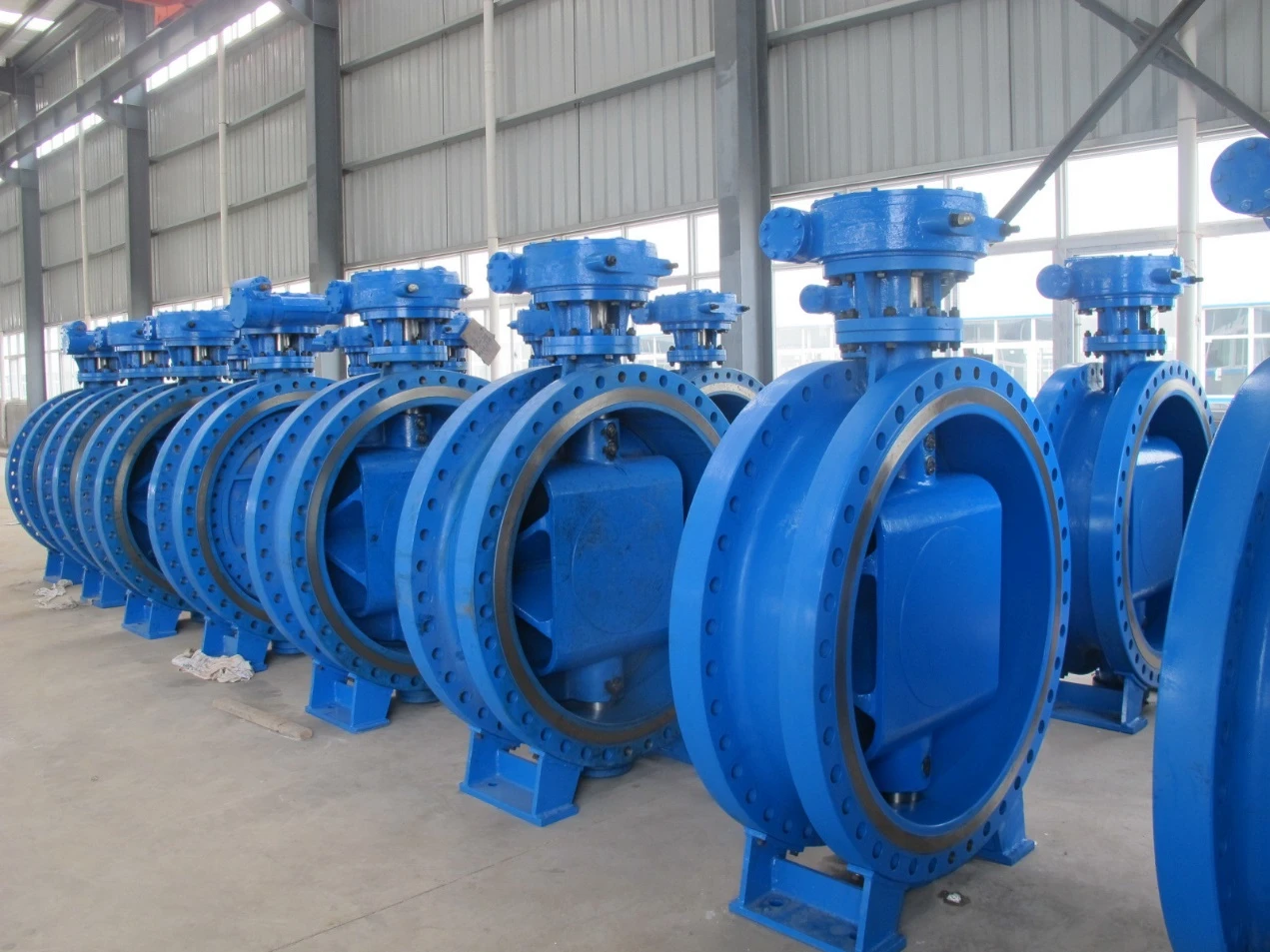
y type suction strainer
Understanding Y-Type Suction Strainers A Comprehensive Guide In various industrial applications, mai
Using a Level to Create Accurate Markings on a Ruler
marking ruler with spirit level .
v block price
Understanding V Block Price An Overview In the ever-evolving landscape of digital currencies and bl
 English